
Q2 2026 IFTA filings are due July 31, 2026. For owner-operators on the NJ/NY corridor, the filing window opens the day Q2 ends — June 30. The most common mistake we see is not the late filing; it's the rushed filing in the last 72 hours that misses jurisdictions, miscalculates fuel tax credits, or skips the supporting documentation that the state will eventually ask for in audit.
This guide walks through Q2 2026 IFTA filing step by step for single-truck owner-operators based in NJ who run multi-state on the Northeast corridor: what data you need to collect, how to capture mileage by jurisdiction, how to fill out the actual form (NJ MVC portal for NJ-based carriers), the errors that trigger audits, and when it makes sense to outsource vs. DIY.
What IFTA is and why it applies if you cross state lines
IFTA (International Fuel Tax Agreement) is the agreement between 48 continental U.S. states and 10 Canadian provinces to distribute fuel tax revenue between the jurisdictions where a truck actually operated. If your truck is based in NJ but runs miles in NY, PA, and CT, IFTA redistributes the fuel tax you paid based on where you actually rolled.
You file IFTA if: your truck weighs 26,001 lb or more (GVWR or combined) and crosses at least one state line in any quarter. Trucks operating only inside the base state don't need IFTA — but most owner-operators on the NJ/NY corridor cross to NY, PA, or CT at least once a month, so filing is mandatory.
The four pieces of data you need to gather
Before touching the portal, collect these four inputs for the full quarter. Without them you can't file; with them, the form is 25 minutes:
- Total miles by jurisdiction. Every state and province where the truck rolled, separated: NJ 2,418 mi, NY 1,082 mi, PA 1,640 mi, etc. Sum must equal total odometer miles between April 1 and June 30.
- Fuel purchased by jurisdiction. Diesel gallons purchased in each state during the quarter. If you filled $192 at a Pilot in Pennsylvania, that's ~49 gal in PA at that day's price.
- Truck MPG for the quarter. Total miles ÷ total gallons. This is the Q average, not an estimate.
- Tax rate per jurisdiction for Q2. The IFTA portal preloads it, but you can verify against the Q2 IFTA bulletin.
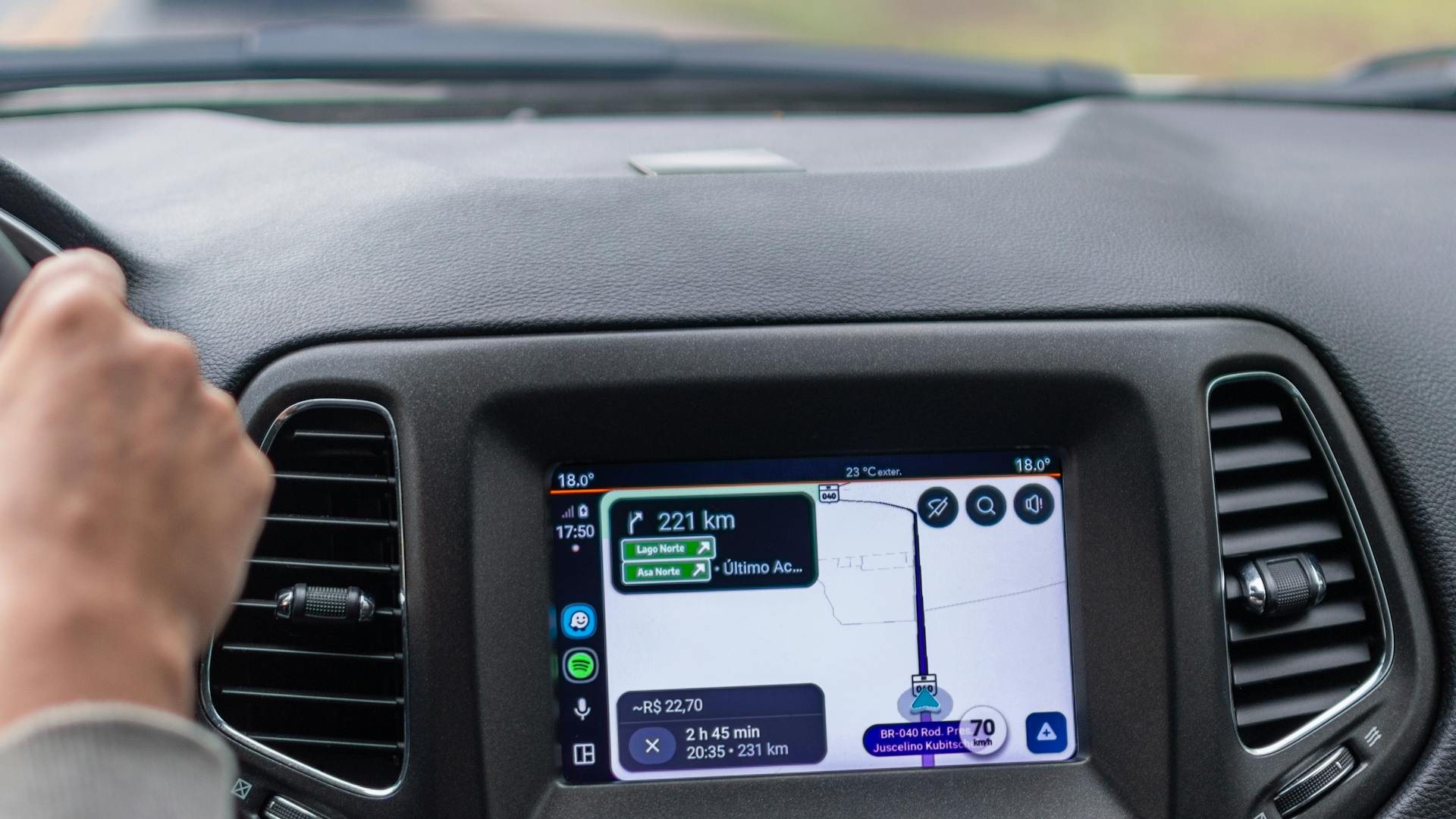
How to capture mileage by state during the quarter
Three methods, ranked from most reliable to least:
1. ELD with built-in IFTA tracking
Most modern ELDs (KeepTruckin/Motive, Samsara, EROAD, BigRoad) include an IFTA module that automatically logs miles by state. At quarter end you export the report in CSV with every jurisdiction, ready to enter into the portal. If your ELD has it enabled, this is the right option. Additional cost: $0 to $5/mo depending on plan.
2. Manual logbook at state line crossings
Works if your volume is low (1–3 state crossings per week). You note odometer at each crossing and again on the return. At quarter end you sum by state. Risk: forgetting to register a crossing and unbalancing total miles.
3. Post-hoc routing reconstruction
If you have neither ELD nor logbook, reconstruct the quarter with PC*MILER or similar using the BOL/PODs from the quarter. Takes 4–6 hours and has 5–8% variance — the state may ask for documentation if the numbers don't reconcile.
How to organize fuel receipts during the quarter
The trick isn't a sophisticated system, it's weekly discipline. What works for operators who file solo:
- Photo of each receipt at the pump. Phone gallery app. Every Monday, move the week's photos into a folder called "IFTA Q2 2026".
- Weekly spreadsheet. Date, station, state, gallons, total $, fuel tax paid on the ticket. 7–10 entries per week. Takes 4 minutes to complete if the photos are ready.
- Monthly close. Last day of the month, sum gallons by state. If you get a weird number (more gallons in a state where you rolled 200 miles than in one where you rolled 1,800), check the receipts.
Apps that automate this: TruckLogics, IFTA Plus, Profit Tools. All three have free plans for owner-operators with under 3 trucks. They save you the manual spreadsheet but still require you to upload receipts to the system.
The filing form takes 25 minutes when the data is clean. The 8 hours of "work" your bookkeeper bills you for is sorting receipts. If you sort them during the quarter, you save those 8 hours of service.
Filling out the IFTA form — step by step (NJ portal)
The portal varies by base state (NJ uses the MVC system, NY uses OneStop, PA uses myPATH), but the fields are the same everywhere:
- Log in to your base state's IFTA portal. For NJ: nj.gov/mvc → Motor Carrier → IFTA.
- Select Q reporting. Q2 2026 = April 1 through June 30.
- Enter miles per jurisdiction. List every state where you rolled. If you rolled 0 miles in MD that quarter, leave MD blank; don't enter 0.
- Enter gallons purchased per jurisdiction. Same logic.
- The portal automatically calculates net tax owed/refund. Formula: (miles in state × MPG × state tax rate) − (gallons purchased in state × state tax rate).
- Review the total. If the state owes you (refund), it shows negative. If you owe (tax due), positive.
- Pay online via ACH or card. If you owe under $50 you can defer to next Q; if you owe over $50 it has to be paid by deadline.
- Save the confirmation number. Filing PDF in your IFTA folder. For 4 years.
Common errors that trigger audits
| Error | What the state sees | How to avoid |
|---|---|---|
| Abnormal Q MPG (4.2 or 9.1) | Suspicion of invented miles or unreported fuel | Typical diesel MPG 6.2–7.4. Outside that, recheck. |
| 0 miles in state where you bought fuel | Fuel for personal use or non-IFTA equipment | If you filled in PA at a rest stop, those are IFTA miles. |
| Miles in state where you bought no fuel | Fuel bought out of state but unrecorded | If you passed through NY without filling, that's fine — but you'll have high NY tax owed. |
| Sum of state miles ≠ total odometer miles | Suspicion of manipulated figures | Reconcile before submit. Under 0.5% variance is acceptable. |
| Late filing 2+ consecutive Qs | IFTA license suspension | Mark the deadline in calendar. Jul 31, Oct 31, Jan 31, Apr 30. |
When hiring a bookkeeper does make sense
Three scenarios where the bookkeeper fee is justified:
- Fleet of 5+ trucks. The volume of receipts and complexity of per-driver tracking make the owner's time more valuable than the bookkeeper's fee.
- International NJ ↔ Canada operations. Border crossings add the complexity of Ontario or Quebec fuel tax, distinct from U.S. states.
- Active audit. If the state opened an audit on a prior quarter, having a bookkeeper representing you avoids costly errors in the documentation you respond with.
For the single-truck owner-operator crossing NJ/NY/PA/CT, DIY filing saves $1,600–$3,200 per year. That's a month of fuel.
Free Q2 2026 IFTA tracking template
Spreadsheet with every field you need to organize during the quarter and an automatic MPG validator. Free with a Cargoplex account.
El International Fuel Tax Agreement (IFTA) es la pelea menos glamorosa del trucking pero la que más operadores enojados produce cada trimestre. Q2 2026 cierra el 30 de junio y vence al 31 de julio, lo que significa que tenés exactamente el mes de julio para reconciliar 90 días de millas, 90 días de combustible y 6+ jurisdicciones distintas. Si lo manejás bien, el filing se hace en menos de tres horas y queda limpio para el próximo audit. Si lo manejás mal, vas a un escritorio el 28 de julio con receipts arrugados, una calculadora y dolor de cabeza.
Esta guía ejecutiva está hecha para owner-operators y flotas pequeñas (1–10 trucks) que originan o pasan por NJ/NY/PA. Cubre el framework legal vigente, la lista exacta de datos que necesitás trackear, las jurisdicciones donde más se equivocan los operators del Northeast, y una plantilla operativa que podés copiar en Google Sheets.
El framework IFTA en 2026
IFTA es un acuerdo entre las 48 jurisdicciones continentales de USA (todos los estados menos Alaska y Hawaii) más las 10 provincias canadienses. Permite a los carriers que operan multi-state pagar el fuel tax una sola vez, en una jurisdicción base, y luego se redistribuye automáticamente entre las jurisdicciones por las que pasaron, según el millaje real reportado.
Antes de IFTA (pre-1996), un carrier interestatal tenía que comprar permits y pagar tax en cada estado por separado, lo que era una pesadilla operativa. IFTA centralizó todo en un solo filing trimestral por base jurisdiction.
Qué tenés que trackear — la lista corta
El filing IFTA pide tres datos por jurisdicción por trimestre:
- Total miles operados en esa jurisdicción (no se aceptan estimaciones — ELD recommended).
- Total gallons de combustible comprado en esa jurisdicción (con receipt válido).
- Total taxable miles en esa jurisdicción (igual a total miles menos cualquier off-highway, no-tax-status mileage como toll roads exemptas o privately-owned terminal yards en algunos estados).
De esos tres, IFTA calcula automáticamente:
- Fleet miles per gallon = total miles ÷ total gallons (en todas las jurisdicciones combinadas).
- Taxable gallons consumed por jurisdicción = miles en esa jurisdicción ÷ fleet MPG.
- Tax due/refund por jurisdicción = (taxable gallons consumed × tax rate) − (gallons purchased × tax rate).
Si comprás más combustible en NJ del que consumís ahí, NJ te debe refund. Si pasás por PA sin comprar combustible, le debés tax a PA. La idea es que cada estado cobra el tax sobre el combustible consumido en sus carreteras, no sobre el comprado.
Cómo trackear las millas correctamente
Hay tres niveles de sofisticación:
Nivel 1 — ELD jurisdiction report (recomendado)
Si tenés Motive (ex-KeepTruckin), Samsara o Geotab, los tres generan automáticamente el reporte IFTA por jurisdicción para el trimestre. Va al portal del proveedor → Reports → IFTA → Q2 2026 → export CSV. El CSV te da miles por estado con timestamps. Costo extra: ninguno (incluido en el plan ELD básico). Tiempo de obtener el reporte: 2 minutos.
Nivel 2 — Trip log manual + audit GPS
Si tu ELD es low-cost (algunos genéricos chinos) o si trackeás con Garmin Fleet, lo común es llevar un trip log Excel con: fecha, origen state, destino state, odómetro inicial, odómetro final, ruta principal (highways usadas). Después con un GPS history o con el ELD audit-trail, segregás millas por estado. Costo: 30–60 min por semana. Riesgo: errores en cruces interestatales (por ejemplo NJ→DE pasando por PA cuenta millas en los tres).
Nivel 3 — ProMiles, IRP Trip Calculator
Software dedicado como ProMiles te da rutas pre-calculadas por estado para cada origen/destino. Útil cuando los trucks no tienen ELD jurisdiction reports. Costo: 60–120 USD/mes. No reemplaza el trip log — lo complementa para auditar.
Tax rates IFTA Q2 2026 — top 8 jurisdicciones para NJ-based
Estas son las tax rates publicadas por IFTA para Q2 2026 (abril–junio) para diesel, en las jurisdicciones donde más operan los carriers basados en NJ. Verificá siempre en iftach.org antes de filear — IFTA publica updates cada trimestre.
| Jurisdicción | Tax rate Q2 2026 (USD/gal diesel) | Comentario operativo |
|---|---|---|
| New Jersey (base) | 0.49 | Base de muchos NJ-based carriers; refund típico si comprás aquí. |
| Pennsylvania | 0.74 | La rate más alta del NE; muchos carriers terminan debiéndole tax. |
| New York | 0.40 | Bajo en relativo, pero NY metro deadhead distorsiona el efectivo MPG. |
| Maryland | 0.36 | Compras Costco Maryland son IFTA-friendly. |
| Delaware | 0.22 | La más baja del corredor; estrategia común "stop & top off" en DE. |
| Connecticut | 0.49 | Igual a NJ — neutral. |
| Massachusetts | 0.24 | Baja; bueno para refund si terminás haul ahí. |
| Virginia | 0.30 | Baja; muchos carriers compran VA en lanes hacia el south. |
| Ohio | 0.47 | Carriers que cruzan Pittsburgh→Columbus suelen consumir más OH del que compran. |
"La mayoría de los owner-ops del corredor NJ/NY que terminan pagando IFTA Q2 lo hacen porque consumen Pennsylvania (rate alta) y compran New Jersey (rate media). El balance de la jurisdicción siempre sale negativo si pasás más de 800 millas en PA al trimestre." — Bookkeeper specialized en transportation, NJ
Errores que cuestan multas — los 5 más comunes
- Receipts incompletos. El receipt debe mostrar: vendor name, date, location (city + state), gallons, price/gallon, total, fuel type. Falta cualquiera de los seis y el receipt no cuenta. Las pump receipts genéricas sin location son la causa #1 de receipts rechazados en audit.
- Mezclar diesel y biodiesel/DEF. Diesel es fuel. DEF (Diesel Exhaust Fluid) NO es fuel y no se reporta en IFTA. Biodiesel sí se reporta pero a veces con tax rate distinta. Mezclarlos infla las gallons compradas y reduce el MPG calculado, lo que dispara red flag en auditoría.
- Olvidarse rutas off-highway. Algunos estados (PA, OH, IL) permiten deducir off-highway mileage (yards privados, áreas de construcción, ciertos toll roads). Si todas tus millas las reportás como "taxable", estás pagando tax que no te corresponde. Verificá las exemptions de cada jurisdicción.
- Usar tax rate del trimestre anterior. El error más caro. IFTA publica nuevas rates al inicio de cada trimestre. Q2 2026 rates ≠ Q1 2026 rates. Una carga de 1,500 millas en PA con la rate Q1 vs. Q2 puede significar 30–50 USD de diferencia, y la jurisdicción te emite carta de "math error" tres meses después.
- No reconciliar con el accountant antes del 31 de julio. Filing IFTA después del 31 = penalty mínimo 50 USD por jurisdicción base, más 10% del net tax due, más interés mensual. Si filean el 1ro de agosto un solo día tarde, ya está la penalty. Marcá la fecha en rojo en el calendario operativo.
Plantilla operativa para Google Sheets
Estructura mínima que te recomendamos copiar para Q2 2026 (abrí un spreadsheet nuevo en Google Sheets o Excel):
Tab 1 — TRIPS_Q2_2026
Columnas: Trip# | Fecha inicio | Fecha fin | Origen | Destino | Odo inicio | Odo fin | Total millas | NJ mi | NY mi | PA mi | DE mi | MD mi | CT mi | MA mi | VA mi | OH mi | Otro mi | Notas

Tab 2 — FUEL_Q2_2026
Columnas: Fecha | Vendor | City | State | Gallons | Price/gal | Total USD | Receipt# (foto)

Tab 3 — JURISDICTION_SUMMARY
Auto-sum por estado: Total miles, Total gallons compradas, MPG implícito, Tax rate (manual del IFTA Q2), Tax due/refund

Tab 4 — RATES_Q2_2026 (manual)
NJ 0.49, NY 0.40, PA 0.74, DE 0.22, MD 0.36, CT 0.49, MA 0.24, VA 0.30, OH 0.47, [resto según operación]
Si tenés ELD que exporta CSV, podés pegarlo directamente en TRIPS_Q2_2026 cada semana — toma 5 minutos. Si lo hacés cada lunes durante el trimestre, llegás al 30 de junio con todo limpio. La gente que se atrasa es la que deja todo para el último fin de semana de julio.
Cómo filear — el proceso real
El filing en sí, asumiendo que ya tenés los datos limpios:
- Logueá al portal de tu base jurisdiction. NJ-based carriers van a NJ MVC IFTA Online (login con tu IFTA license number). NY-based van a NY DMV International Fuel Tax. PA-based van a Pennsylvania Department of Revenue.
- Seleccioná Q2 2026 quarterly return. El sistema te pide gallons compradas y miles operados por jurisdicción.
- Pegá los datos del summary. El sistema calcula automáticamente el net tax due/refund. Si el cálculo difiere significativamente del tuyo, reviewá tax rates antes de submit.
- Pago electrónico. ACH desde la cuenta operativa. Imprimí el confirmation PDF y guardalo en /IFTA/Q2-2026/ (idealmente con backup en Google Drive y disco duro local).
- Calendar reminder Q3 deadline: 31 de octubre 2026. Anotalo el día que terminás Q2.
Cuándo conviene tercerizar el filing
Hay un punto operativo donde tercerizar el filing es ahorro neto:
- 1–2 trucks: hacelo vos, en menos de 3h por trimestre.
- 3–5 trucks: bookkeeper specialized o servicio dedicado a 75–150 USD/trimestre/truck. Justifica el costo en el primer error evitado.
- 6+ trucks: obligatorio software dedicado (ProMiles IFTA, ExpressIFTA, RoadSync) o full bookkeeper. Manual acá es buscar errores.
Si operás bajo authority Sultan Freight (lease-on) o usás SettlePro para settlement processing, generamos el IFTA jurisdiction report automáticamente con cierre el 5 de julio para Q2. Eso te da 26 días para review y filing antes del deadline. Es uno de los beneficios menos publicitados pero más prácticos del programa lease-on.
Q2 2026 IFTA es un trimestre como cualquier otro: si llevás disciplina semanal, se filea limpio en menos de 3 horas el primer fin de semana de julio. Si dejás todo para el 28 de julio, el costo es ansiedad + errores + multas. Marcá las dos fechas que importan: 30 de junio cierre, 31 de julio deadline.
Preguntas frecuentes
¿Quién está obligado a filear IFTA en 2026?
Está obligado todo motor carrier que opere un "Qualified Motor Vehicle" (QMV) en dos o más jurisdicciones IFTA. QMV se define como un vehículo con peso bruto registrado o operado mayor a 26,000 lb, o con tres o más ejes (independiente del peso), o usado en combinación cuando el peso combinado supera 26,000 lb. Owner-operators con CDL-A en F-450 + trailer 14K caben en la regla del peso combinado y deben filear.
¿Cuál es la fecha límite de IFTA Q2 2026?
IFTA Q2 cubre abril, mayo y junio 2026. La fecha límite federal de filing y pago es el 31 de julio de 2026 (último día hábil del mes siguiente al cierre del trimestre). Si caes fin de semana, el filing electrónico tiene gracia hasta el siguiente día hábil, pero el pago debe estar acreditado al 31 — confirmá con tu jurisdicción base, no con federal.
¿Qué pasa si presento IFTA tarde?
La penalty federal de filing tarde es la mayor entre 50 USD o 10% del net tax due. Adicional, la mayoría de jurisdicciones aplican interés mensual del 1% sobre el balance no pagado. Tres trimestres consecutivos de late filing pueden activar suspension de la IFTA license, lo que significa out-of-service inmediato en cualquier scale roadside.
¿Qué jurisdicciones pisan más los owner-ops desde NJ?
Los top 8 jurisdicciones tax para operaciones que originan en NJ son, por orden de millaje promedio reportado: Pennsylvania, New York, Maryland, Delaware, Connecticut, Massachusetts, Virginia y Ohio. Cada una tiene tax rate distinto (entre 0.31 y 0.65 USD/gal en 2026 Q2) y reporting boundaries que cambian si cruzás el George Washington Bridge vs. Holland Tunnel — sí, importa.
¿Necesito un bookkeeper o puedo filear yo solo?
Para 1–3 trucks, podés filear vos solo si tu sistema ELD genera el IFTA jurisdiction report automáticamente (Motive, Samsara, Geotab lo hacen). El proceso real toma 90–180 minutos por trimestre. Para 4+ trucks o si tu ELD no segrega bien por estado (algunos low-cost ELDs no), un bookkeeper especializado en transportation sale 75–150 USD por trimestre por truck — paga la diferencia en errores ahorrados.
¿Cómo se calcula el IFTA Q2 2026 si compré combustible en Costco/Sam's Club?
Solo se cuentan compras con receipt que muestre: vendor name, date, location (state), gallons, price per gallon, total, fuel type. Costco y Sam's Club emiten receipts compliant si imprimís el detalle (no el resumen). Pump-only sin receipt no cuenta. Las compras con tu fuel card de la flota (Comdata, EFS, RTS) ya vienen IFTA-ready en el statement mensual.
¿Puedo usar la misma planilla para todos los trimestres del año?
La planilla puede ser la misma, pero las tax rates por jurisdicción cambian cada trimestre. IFTA publica las nuevas rates al inicio de cada trimestre en iftach.org. Mantené tu planilla con un tab "Rates por trimestre" actualizado — la mayoría de los errores de filing vienen de usar rates del trimestre anterior por error.
¿Sultan Freight ofrece soporte para IFTA filing?
Sí. Para carriers que operan bajo Sultan Freight authority (lease-on) o que usan SettlePro, generamos el IFTA jurisdiction report automáticamente con cierre el día 5 del mes siguiente al trimestre. Para owner-ops independientes, tenemos un servicio de filing-as-a-service vía partner especializado a 95 USD/trimestre/truck. Consultá en /contact.
¿Necesitás mover carga hoy?
Cotización en 60 segundos · Same-day pickup NY/NJ/PA/CT · 98.7% on-time
Cotizá con Sultan Freight